
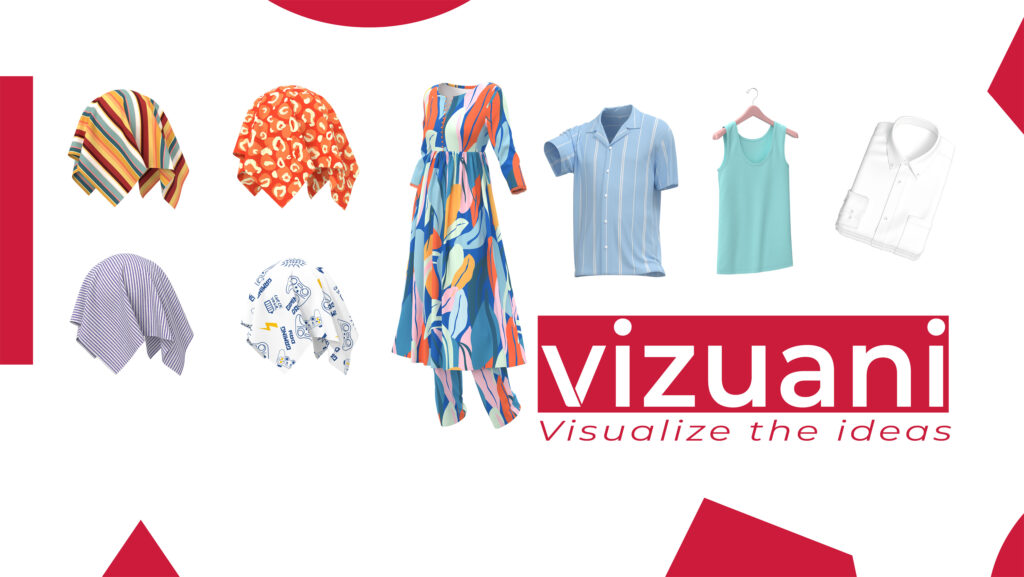
The fashion industry has always been driven by creativity, craftsmanship, and speed. But in recent years, one technology has quietly reshaped how brands design, develop, and present clothing: 3D garment visualization. At the center of this shift is CLO 3D, a tool that has fundamentally changed the way fashion moves from concept to production.
Let’s explore how this technology is transforming the industry and why it has become essential for modern apparel brands.
The End of Traditional Sampling Bottlenecks
In the past, developing a garment required multiple physical samples. Designers would sketch ideas, send tech packs to factories, wait weeks for samples, request revisions, and repeat the cycle several times.
This process was:
- Time consuming
- Expensive
- Wasteful
CLO 3D removes these bottlenecks by allowing designers to create realistic digital garments that behave like real fabric. Instead of waiting weeks, brands can now review designs instantly, make adjustments in real time, and finalize products much faster.
This shift has dramatically shortened development timelines across the industry.
True-to-Life Fabric Simulation
One of the biggest breakthroughs is fabric accuracy.
CLO 3D simulates:
- Fabric weight and drape
- Stretch behavior
- Wrinkles and folds
- Stitch tension
- Layer interaction
This means designers can evaluate how a garment will actually look and fit before producing a single physical sample.
For brands, this reduces risk and improves decision making early in the design stage.
A New Era of Digital Prototyping
Digital prototyping is now becoming the industry standard.
With CLO 3D, brands can:
- Test multiple design variations instantly
- Evaluate fit on realistic avatars
- Share digital samples globally
- Collaborate remotely in real time
This has transformed communication between designers, merchandisers, and manufacturers. Everyone can review the same accurate 3D garment instead of interpreting flat sketches.
Sustainability Through Reduced Waste
Sustainability is a major challenge in fashion. Traditional sampling generates enormous waste through discarded fabrics, shipping, and repeated production.
CLO 3D helps reduce environmental impact by:
- Minimizing physical samples
- Cutting down fabric waste
- Reducing transportation needs
- Lowering carbon footprint
Many global brands now rely on digital workflows as part of their sustainability strategy.
Transforming Marketing and E-Commerce
Beyond design, CLO 3D is changing how products are presented to customers.
Brands can create:
- Photorealistic product visuals
- Virtual fashion campaigns
- Digital showrooms
- AR-ready garments
- Interactive online catalogs
This allows companies to launch products faster, even before physical production begins.
For e-commerce, this is a game changer.
Empowering Small and Emerging Brands
Previously, high development costs created barriers for smaller brands. Now, CLO 3D levels the playing field.
Independent designers and startups can:
- Develop collections without large budgets
- Test ideas quickly
- Present professional visuals to buyers
- Communicate clearly with factories
This accessibility is helping a new generation of fashion entrepreneurs enter the market.
The Future: Digital Fashion and Virtual Worlds
CLO 3D is not just a design tool. It is becoming a foundation for digital fashion.
As industries move toward:
- Virtual showrooms
- Digital clothing for avatars
- Metaverse experiences
- AR try-on technology
3D garment creation will play a central role in how fashion exists both physically and digitally.
Conclusion
CLO 3D is transforming the fashion industry by making design faster, more accurate, more sustainable, and more collaborative. It has shifted the workflow from physical to digital, enabling brands to innovate with unprecedented speed and flexibility.
As technology continues to evolve, 3D garment visualization is no longer optional. It is becoming the new standard for how fashion is created, presented, and experienced.