
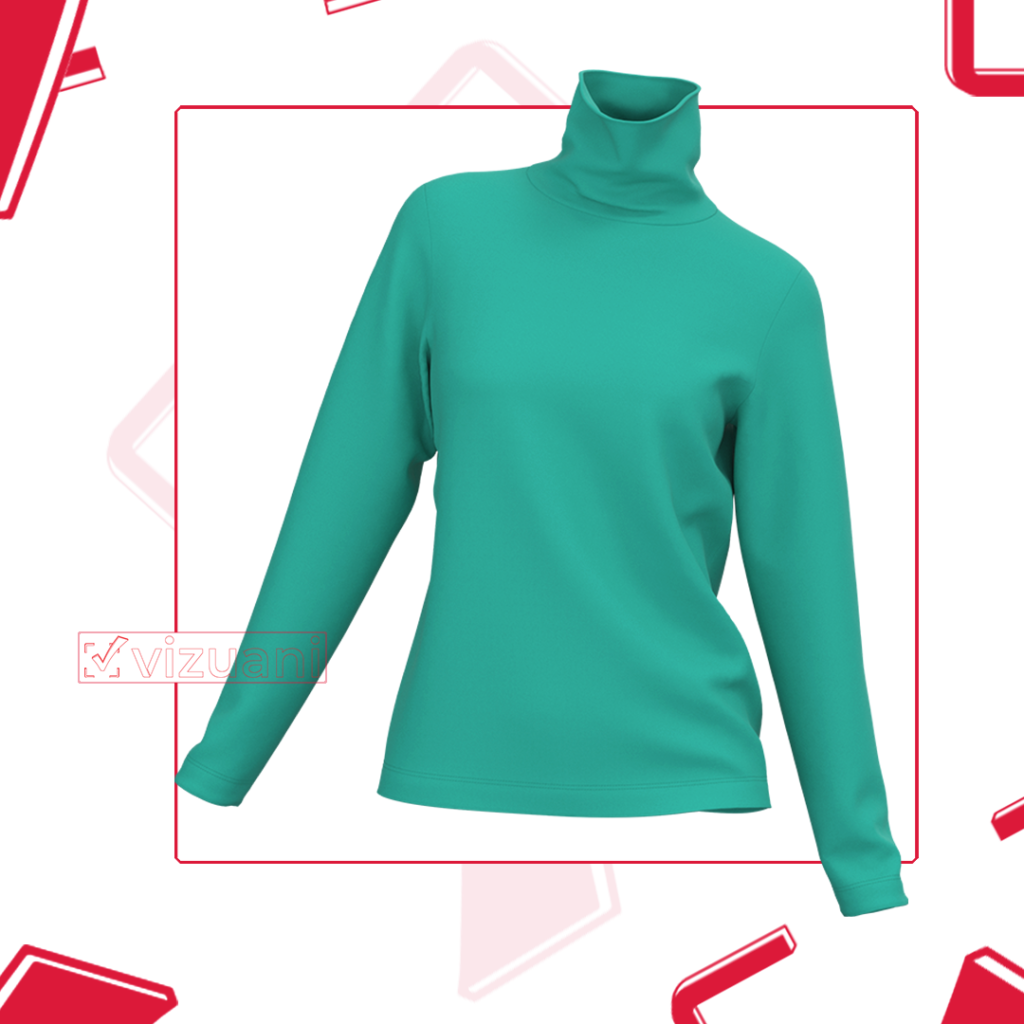
The fashion industry is entering a new digital era. Clothing is no longer limited to fabric, thread, and physical production. Today, garments can exist entirely in digital form, designed, visualized, and experienced in virtual environments.
Virtual garments are transforming how fashion is created, marketed, and consumed. From product development to online retail and immersive digital experiences, this shift is reshaping the global apparel industry.
What Are Virtual Garments?
Virtual garments are digital versions of clothing created using advanced 3D design technology. These garments replicate the behavior of real fabrics, including drape, stretch, folds, and movement.
Using software like CLO 3D and Marvelous Designer, designers can build accurate digital garments that look and behave almost exactly like real clothing.
These digital pieces can be used for design development, marketing visuals, online shopping, and even virtual fashion experiences.
Reinventing the Fashion Design Process
Traditional fashion development relies heavily on physical samples. Designers sketch ideas, produce multiple prototypes, ship samples between teams, and repeat the process until the design is finalized.
Virtual garments simplify this workflow dramatically.
Designers can now:
- Create garments digitally in real time
- Test multiple design variations instantly
- Simulate fabric behavior accurately
- Adjust fit and construction before production
This reduces development time and allows brands to move from concept to production much faster.
Reducing Waste and Improving Sustainability
The fashion industry produces a large amount of waste during the sampling and development stages. Each sample requires fabric, shipping, and manufacturing resources.
Virtual garments help reduce this impact.
With digital prototyping, brands can approve designs before producing physical samples. Many collections now require only one final physical sample instead of several rounds of prototypes.
This approach reduces:
- Fabric waste
- Transportation emissions
- Overproduction
As sustainability becomes a global priority, digital fashion workflows are becoming increasingly important.
Transforming E-Commerce and Product Visualization
Online shopping continues to grow worldwide, but customers still face a common problem: they cannot physically see or feel a product before purchasing.
Virtual garments help solve this challenge.
Brands can create:
- Photorealistic product images
- 360-degree garment views
- Animated clothing presentations
- Digital fitting on avatars
These visuals give customers a clearer understanding of how garments look, fit, and move, improving confidence when shopping online.
Virtual Fashion and Digital Identity
Fashion is also expanding into fully digital spaces.
In gaming platforms, social media environments, and emerging virtual worlds, people are beginning to express their identity through digital clothing.
Virtual garments allow designers to create fashion that exists only in digital environments. These pieces can be worn by avatars, used in virtual photoshoots, or integrated into immersive digital experiences.
This new form of fashion opens creative possibilities that are impossible in the physical world.
Supporting Global Collaboration
Fashion production often involves teams across multiple countries. Designers, developers, manufacturers, and marketers need to communicate clearly throughout the process.
Virtual garments improve collaboration by providing a shared visual reference. Instead of interpreting sketches or technical drawings, teams can review the same accurate 3D garment model.
This improves communication, reduces misunderstandings, and speeds up decision-making.
The Role of 3D Fashion Visualization
As the industry continues to evolve, 3D fashion visualization is becoming an essential service for apparel brands.
At Vizuani, we help brands transform their ideas into high-quality digital garments that support design development, marketing, and e-commerce. Our goal is to provide realistic 3D clothing visualization that helps brands present their products with clarity and confidence.
Virtual garments are not just a technological trend. They represent a fundamental shift in how fashion is created and experienced.
Looking Ahead
The future of fashion will exist in both physical and digital forms. Virtual garments will continue to influence product development, online retail, sustainability strategies, and digital experiences.
As technology advances, the boundary between real and virtual fashion will become even smaller. Brands that adopt digital garment workflows today will be better prepared for the next generation of fashion innovation.
Virtual garments are not simply changing how clothes are designed. They are changing how the world experiences fashion.