
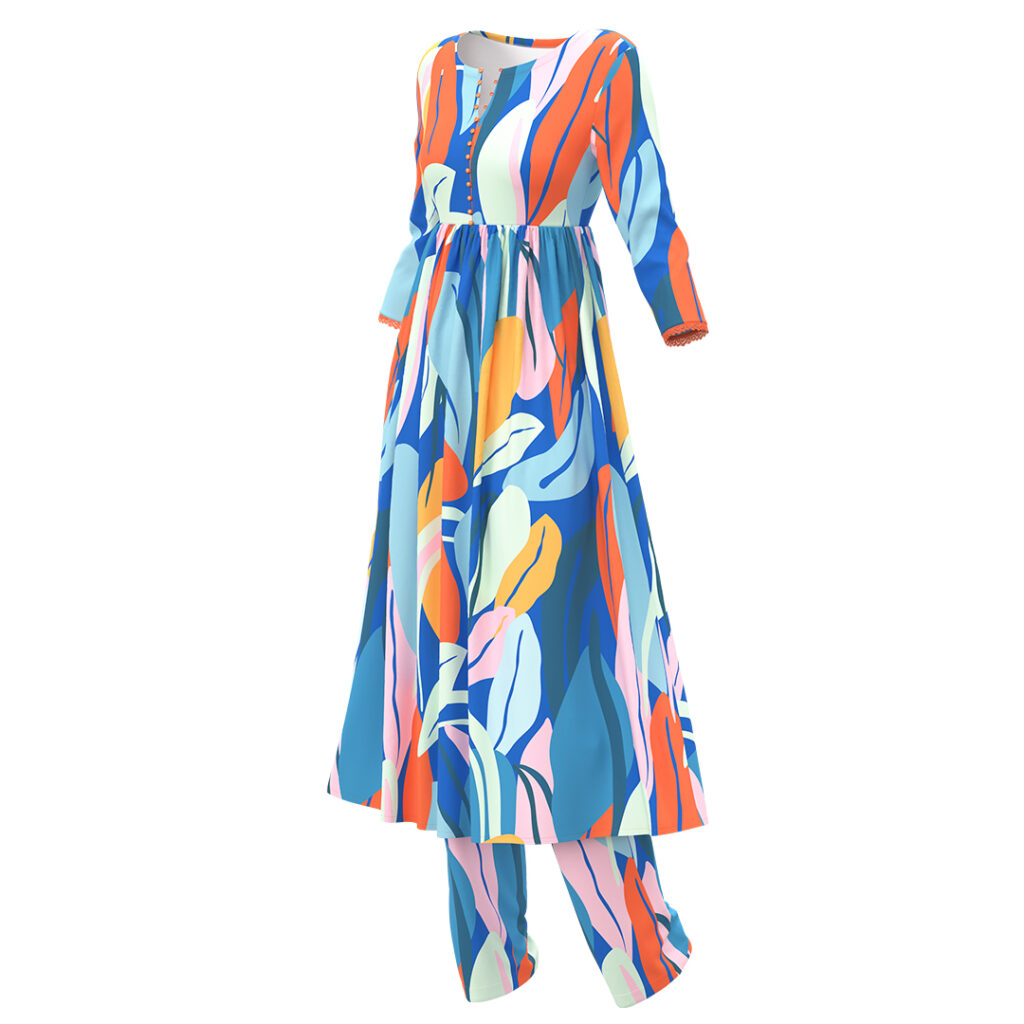
How Digital Garments Are Transforming Fashion and Reducing Waste Globally.
The fashion industry is one of the largest contributors to global waste, with millions of unsold garments ending up in landfills each year. As sustainability becomes a priority for brands and consumers alike, digital innovation is changing how clothing is designed, tested, and produced. Technologies like 3D clothing design service platforms and advanced simulation tools are helping brands create smarter, more sustainable collections.
In this new era of fashion development, digital garments are becoming a powerful solution to reduce waste while improving efficiency.
The Waste Problem in Traditional Fashion
Traditional fashion design relies heavily on physical samples. Designers often produce multiple prototypes to test fit, fabric, and style before final production. Each round of sampling consumes fabric, energy, and labor. When designs change—as they often do—many of these samples are discarded.
This process not only increases costs but also contributes significantly to textile waste. Fast-changing trends and overproduction further amplify the environmental impact.
Enter Digital Garment Technology
Digital garment creation allows designers to develop realistic clothing virtually before anything is physically produced. With tools used by a CLO3D designer, garments can be modeled, draped, and adjusted in a fully digital environment.
Through virtual garment prototyping, designers can simulate fabrics, fit, movement, and stitching with impressive accuracy. This allows brands to test multiple variations instantly without cutting a single piece of fabric.
As a result, fashion companies can dramatically reduce the number of physical samples they need.
Faster Design, Less Waste
A 3D clothing design service enables brands to visualize garments quickly and make real-time adjustments. Designers can change patterns, fabrics, and colors within minutes, eliminating the need for repeated sample production.
This digital workflow allows teams to collaborate remotely and review designs instantly. Instead of shipping prototypes across countries, stakeholders can evaluate high-quality 3D fashion rendering images or animations that accurately represent the final garment.
Reducing the need for physical samples not only saves materials but also cuts down on transportation emissions and development time.
Improving Production Decisions
One of the biggest causes of fashion waste is overproduction. Brands often produce large quantities without fully understanding how customers will respond to a design.
With digital assets created in a digital fashion studio, brands can test designs earlier in the process. They can use 3D visuals for marketing previews, buyer presentations, and e-commerce catalogs before manufacturing begins.
This approach helps companies measure demand and make smarter production decisions, ultimately reducing unsold inventory.
Better Collaboration Across Teams
Digital fashion tools also make collaboration easier. Pattern makers, designers, and marketers can all work with the same digital garment files. A skilled CLO3D designer can quickly modify patterns or simulate different materials, ensuring everyone involved understands the final product clearly.
This transparency reduces miscommunication and minimizes costly design errors that might otherwise lead to wasted materials.
A Sustainable Future for Fashion
As sustainability becomes central to the fashion industry, digital solutions are proving to be essential tools. By combining 3D clothing design service capabilities with advanced 3D fashion rendering, brands can create realistic virtual garments that support smarter decision-making.
Through virtual garment prototyping and collaboration within a modern digital fashion studio, companies can significantly reduce waste, shorten development cycles, and move toward a more responsible production model.
Digital garments are not just a technological trend—they are a crucial step toward a more sustainable future for fashion.