
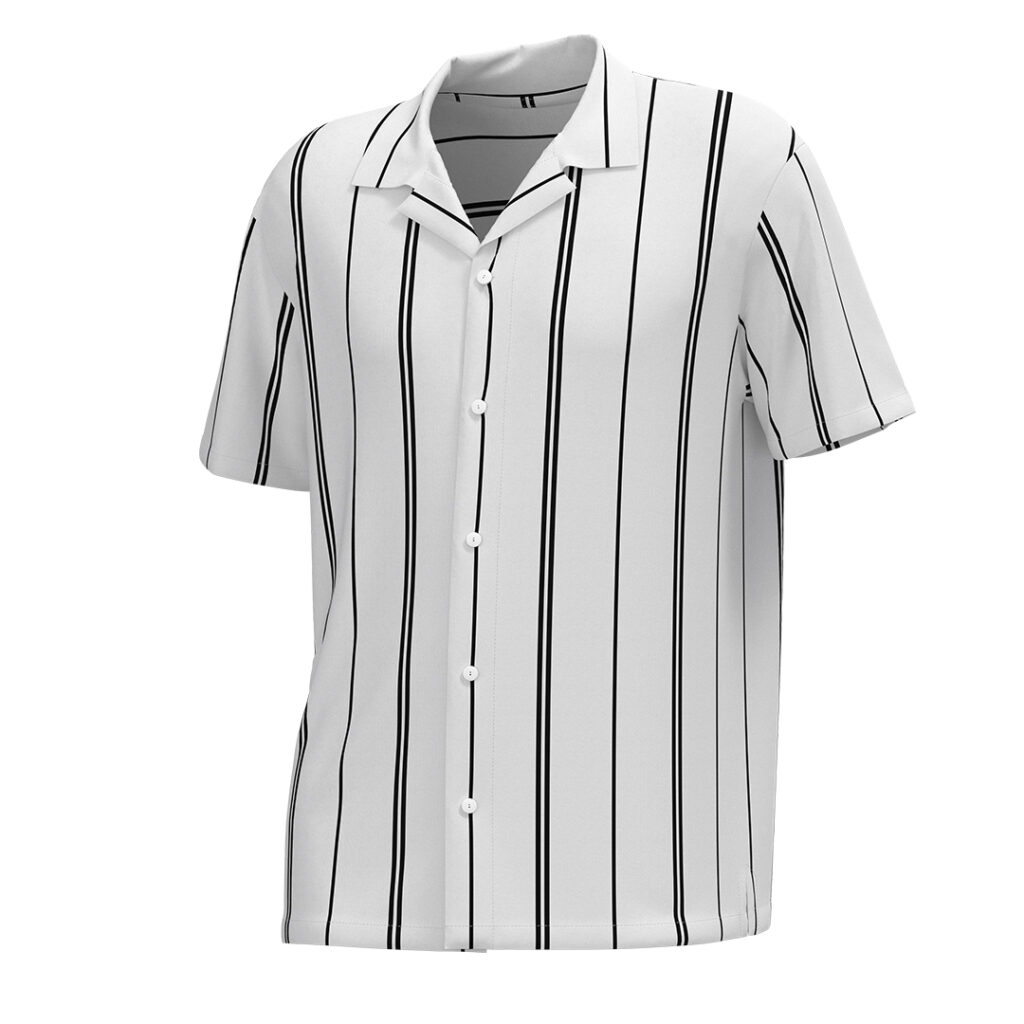
The fashion industry is rapidly embracing digital transformation, and CLO3D has become one of the most powerful tools driving this change. As brands look for ways to speed up production, reduce costs, and improve sustainability, digital sampling with CLO3D is proving to be a game-changer.
Instead of relying solely on traditional physical samples, fashion companies can now create highly realistic digital garments that simulate real fabrics, fits, and movements before production even begins.
Here are some of the key benefits of using CLO3D for digital sample development.
1. Faster Product Development
One of the biggest advantages of CLO3D is the speed it brings to the sampling process.
Traditional sampling often requires multiple rounds of physical prototypes, which can take weeks. With CLO3D, designers can instantly visualize garments in 3D, make adjustments in real time, and review multiple design options quickly.
This dramatically reduces development time and allows brands to bring collections to market faster.
2. Reduced Sampling Costs
Creating physical samples involves fabric costs, labor, shipping, and repeated revisions. These expenses add up quickly during product development.
CLO3D allows brands to test and refine designs digitally before producing physical samples. By minimizing the number of prototypes required, companies can significantly reduce sampling and development costs.
3. Improved Design Accuracy
CLO3D provides realistic garment simulation, including fabric behavior, draping, and fit on digital avatars. Designers can see how materials interact with the body and adjust patterns accordingly.
This level of accuracy helps reduce fitting issues later in the production process and ensures better final product quality.
4. Enhanced Collaboration Across Teams
Fashion development often involves teams working in different locations—designers, manufacturers, merchandisers, and marketers.
Digital samples created in CLO3D can easily be shared with teams anywhere in the world. Stakeholders can review designs, suggest improvements, and approve samples without waiting for physical shipments.
This improves communication and speeds up decision-making.
5. Sustainability and Waste Reduction
The traditional sampling process generates a significant amount of waste through discarded prototypes and excess materials.
By shifting much of the development process into the digital space, CLO3D helps brands reduce fabric waste, shipping emissions, and unnecessary production. This supports more sustainable and responsible fashion practices.
6. Better Visualization for Marketing and Sales
Another major advantage of CLO3D is that digital garments can also be used for presentations, lookbooks, and online catalogs.
Brands can showcase new collections before production is finalized, allowing marketing and sales teams to start promoting products earlier.
Conclusion
CLO3D is transforming how fashion brands approach product development. From faster sampling and lower costs to improved sustainability and better collaboration, digital sampling is becoming an essential part of modern fashion workflows.
As the industry continues to evolve, companies that adopt tools like CLO3D will gain a significant advantage in speed, efficiency, and innovation.