
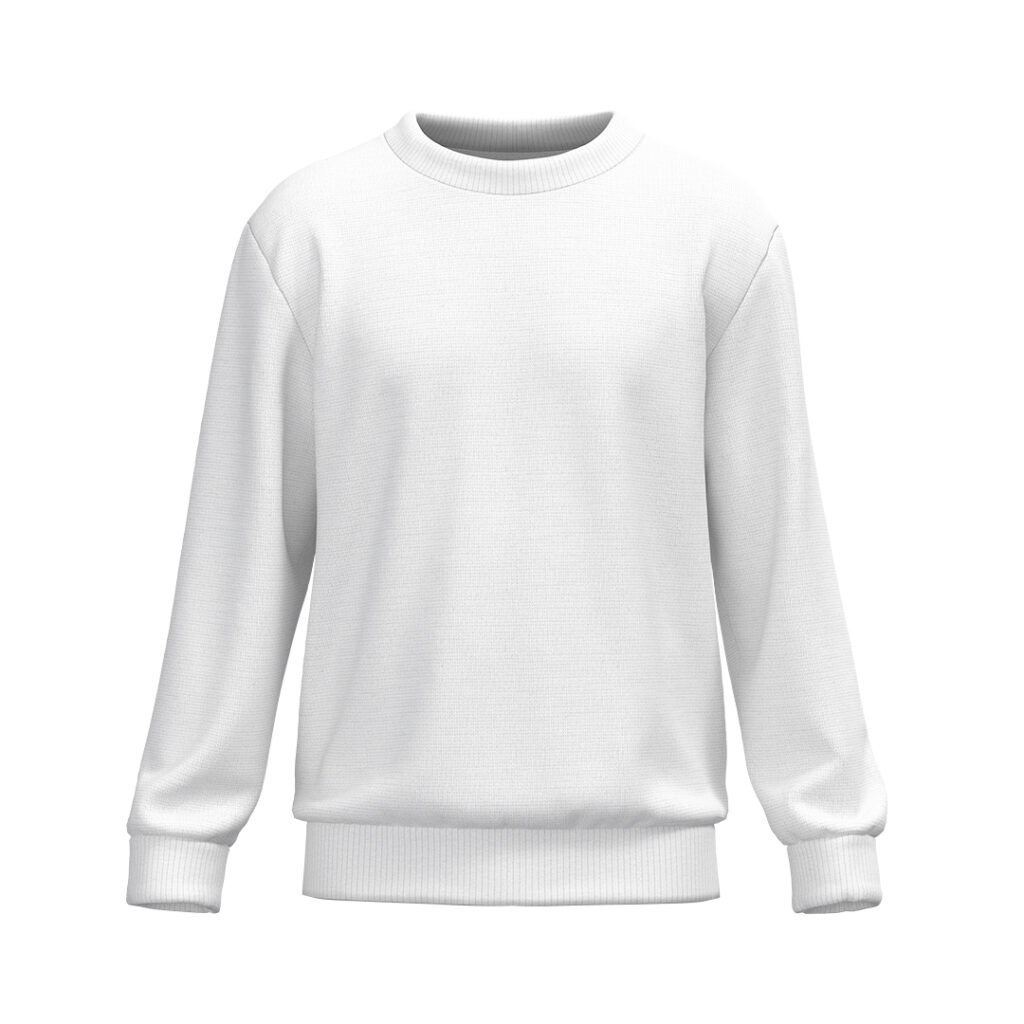
Why Fashion Brands Are Rapidly Adopting Virtual Sampling Over Traditional Prototyping
The fashion industry is experiencing a quiet but powerful transformation. As technology reshapes how clothing is designed and produced, more brands are shifting from traditional physical prototypes to virtual sampling. This change is not just about innovation—it’s about speed, sustainability, and smarter decision-making.
The Problem With Traditional Sampling
For decades, fashion brands have relied on physical samples to test designs before mass production. While effective, this process is often slow, expensive, and wasteful.
A single garment sample can take days or even weeks to produce. Designers must send tech packs to manufacturers, wait for the sample to be created, review it, request revisions, and repeat the cycle. Each iteration consumes fabric, labor, shipping costs, and valuable time.
In a market where trends change quickly, this delay can cost brands their competitive advantage.
Enter Virtual Sampling
Virtual sampling allows designers to create highly realistic 3D garment models before any fabric is cut. Using advanced design tools, brands can visualize how a garment will look, fit, and move on a digital avatar.
This means teams can evaluate designs instantly, make adjustments in real time, and approve styles much faster than with traditional methods.
The result is a faster design-to-production pipeline.
Faster Design Decisions
Speed is one of the biggest reasons brands are embracing virtual sampling.
Instead of waiting weeks for physical prototypes, designers can test multiple variations of a design in a single day. Colors, fabrics, patterns, and fit adjustments can all be modified digitally with minimal effort.
This allows brands to respond to trends quickly and launch collections faster.
Reducing Waste and Supporting Sustainability
Sustainability has become a major focus for modern fashion brands. Traditional sampling generates a significant amount of waste—from unused fabrics to discarded prototypes.
Virtual sampling dramatically reduces the need for physical samples. Fewer samples mean less material waste, fewer shipments, and a smaller carbon footprint.
For brands trying to meet sustainability goals, this technology is becoming essential.
Lower Costs Across the Supply Chain
Sampling costs add up quickly. Fabric sourcing, production, revisions, shipping, and logistics can significantly impact a brand’s budget.
By shifting much of the design validation process into the digital space, brands can reduce production costs and avoid unnecessary iterations.
Physical samples are still used, but only when designs are finalized and ready for production.
Better Collaboration Across Teams
Virtual samples also improve collaboration between designers, manufacturers, marketers, and buyers.
Teams across different countries can review the same digital garment in real time, provide feedback instantly, and align on decisions faster. This removes many of the delays caused by shipping samples around the world.
The Future of Fashion Development
Virtual sampling is not replacing creativity—it is enhancing it.
Designers now have more freedom to experiment, test ideas, and refine garments without the constraints of physical production at every step. As the technology continues to improve, virtual garments are becoming nearly indistinguishable from real ones.
For fashion brands looking to stay competitive, sustainable, and efficient, virtual sampling is quickly becoming the new industry standard.